

While the world gazes at the pink salt chambers of the Khewra Salt Mine, a hidden historical treasure lies forgotten on the peaks above. On my recent expedition, I trekked to the 800-foot-high summit to explore the ruins of the colonial settlement built by Dr. H. Warth, the visionary engineer who laid the foundation of modern mining in 1872.
A Test of Endurance: The 3,500-Foot Hike
Reaching this historic site is no small feat. While the vertical height of the mountain is approximately 800 feet, the path is so steep and winding that I had to hike nearly 3,000 to 3,500 feet on foot. Every step through the rugged terrain was a reminder of the isolation and strategic importance of this hilltop location.
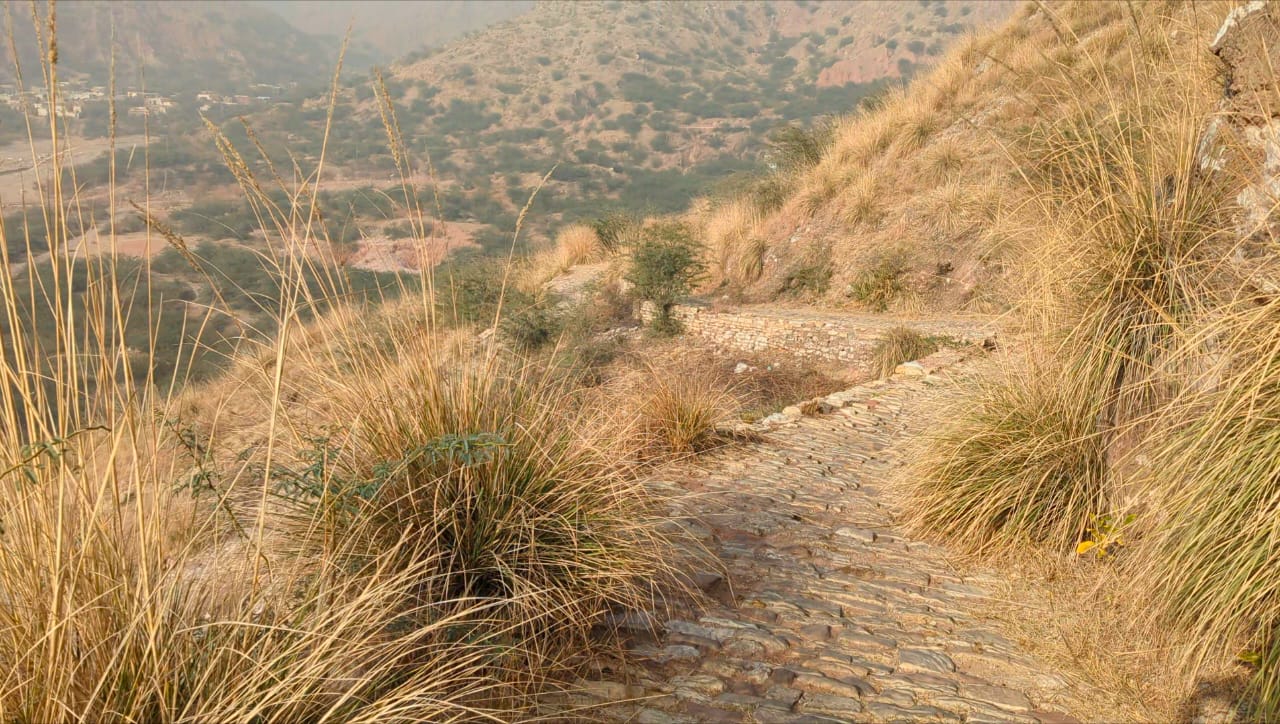
The Ancient Horse-Track RoadOne of the most fascinating discoveries during the hike was the remains of a specialized road. Constructed with a solid stone foundation, this stone-paved path was designed specifically for horses. In the late 19th century, this was the only way for Dr. Warth and British officials to navigate the sharp incline and reach their homes on the peak.
A Landscape Sparkling with Gypsum
As the altitude increased, the geology of the trail shifted. The ground became littered with Gypsum stones, sparkling brilliantly under the sunlight. This abundance of minerals shows that the Salt Range is not just a source of salt, but a diverse geological wonder.
Why Live So High? The Natural Cooling System
Standing among the ruins, I realized why Dr. Warth chose this specific spot. Despite the scorching heat in the plains of Jhelum below, the air at the top was remarkably cool and pleasant. By living at this height, he had created his own natural “Hill Station,” using the elevation to escape the summer heat long before the era of electricity and air conditioning.
The Silent Ruins (Khandar)
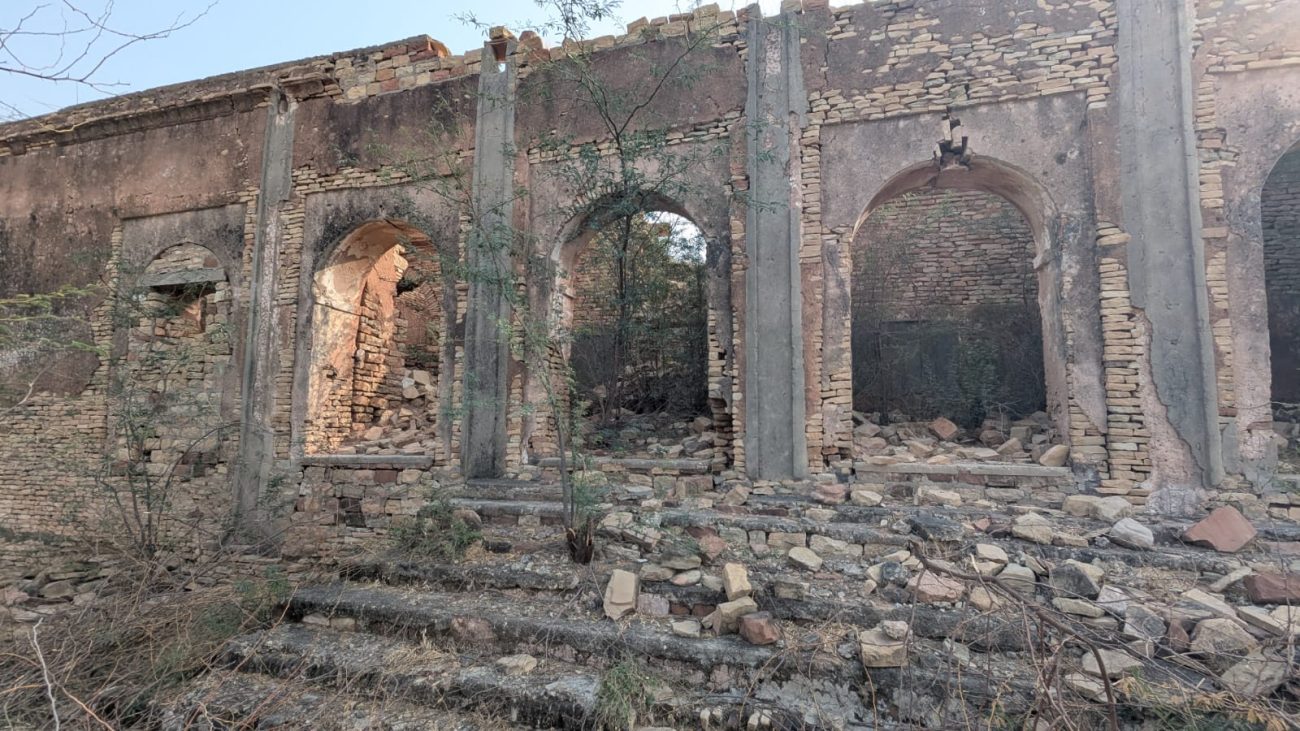
At the summit, I found more than just a house; it is a small, abandoned colony.
- The Main Bungalow: A grand structure with stone arches where Dr. Warth resided.
- The Settlement: Smaller stone quarters that once housed staff and guards.
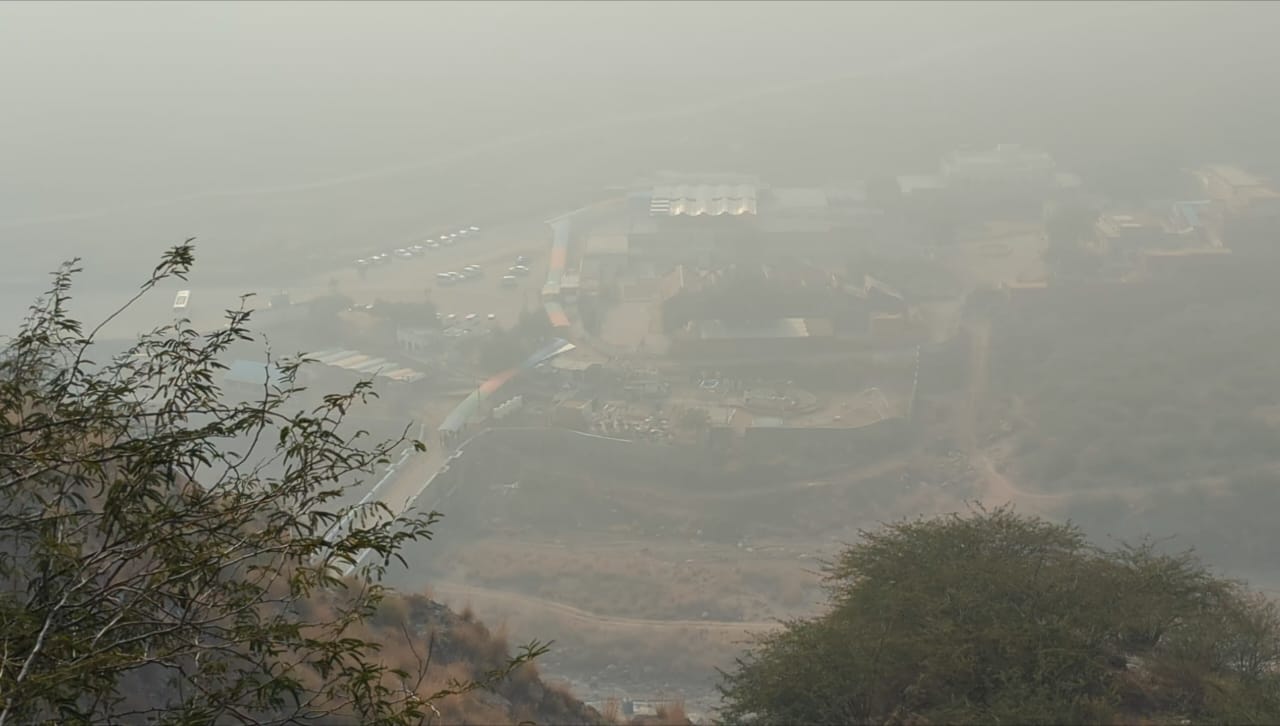
Today, these buildings stand as silent ruins (khandar), offering a panoramic and breathtaking view of the entire region.